
Resources
Our blog and guides are here to help homebuyers, builders, and homeowners make smarter decisions.
Explore latest articles
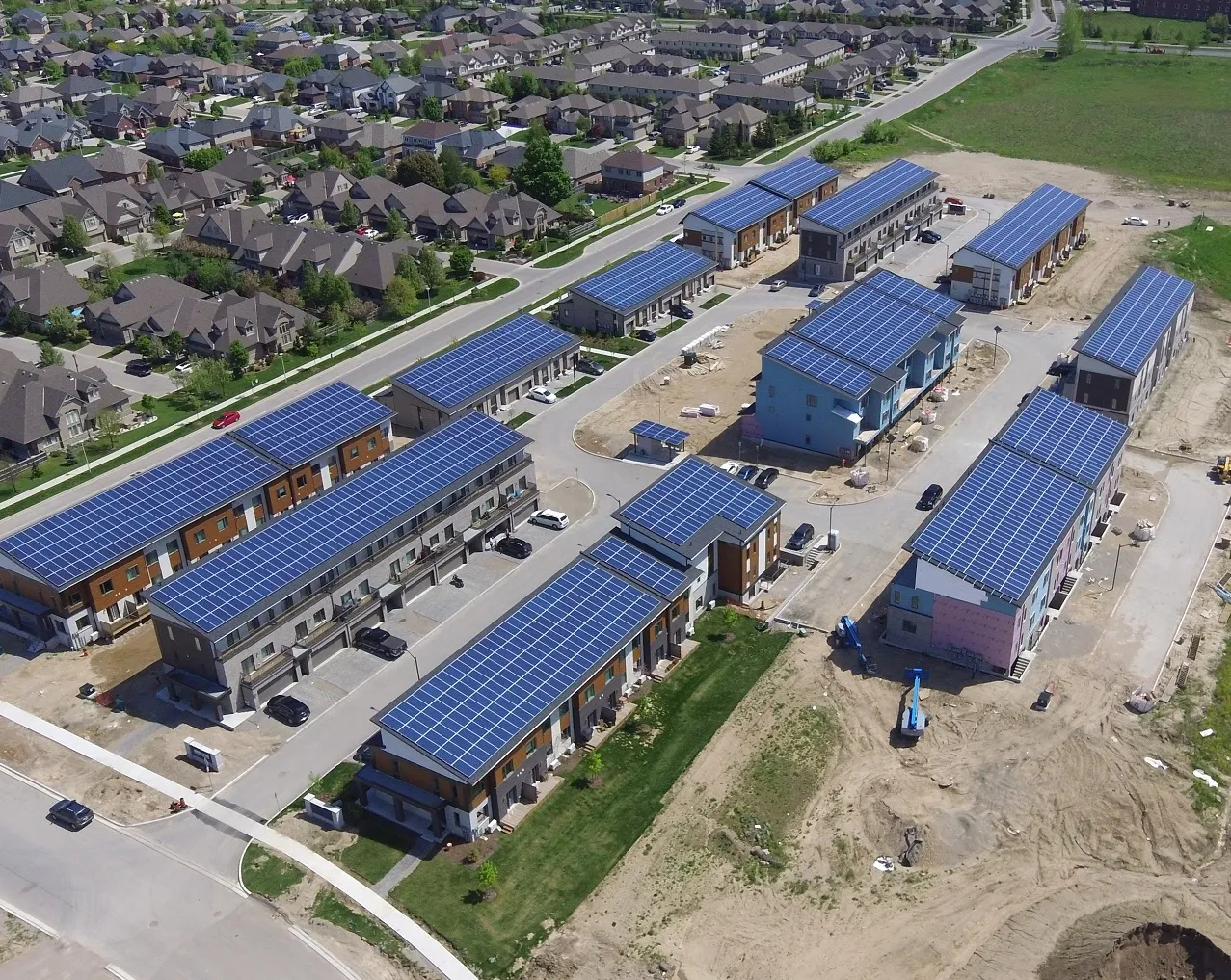
Why Live in a Net-Zero Home? CHBA Approved
Whether new or renovated, Net Zero Homes produce as much clean energy as they consume. They are far more energy efficient than typical new homes and significantly reduce your impact on the environment…
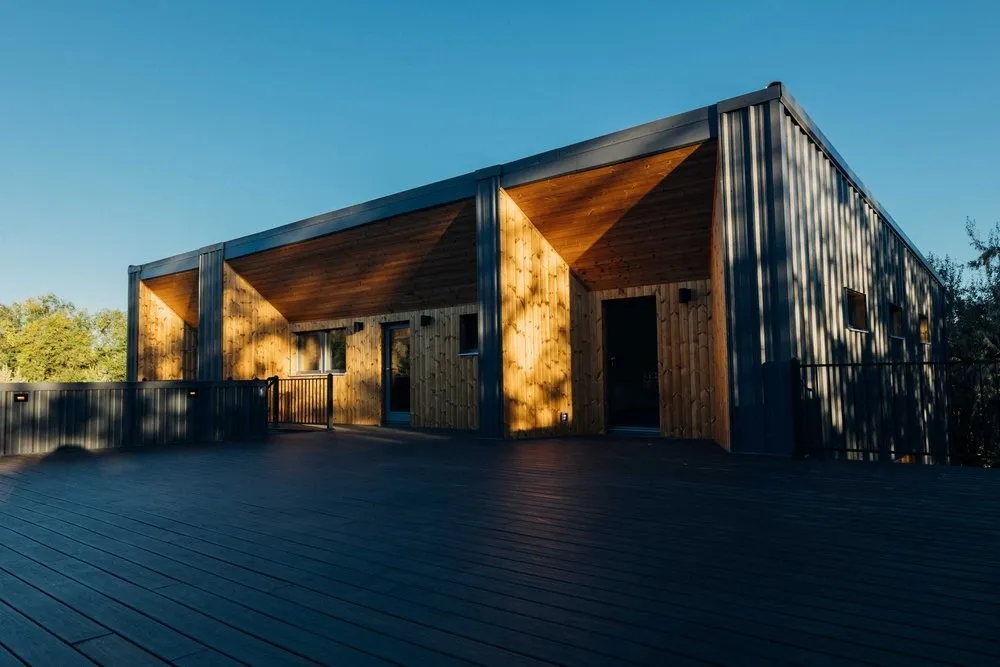
Accessory Dwelling Units Combat the Housing Shortage in the Sault
Accessory Dwelling Units Combat the Housing Shortage in the Saultby glmenvironment@gmail.com | Sep 4, 2025 A great Addition to your home, as a Rental Income, granny suite, or Home Office. Great…
Why Building Emissions Matter — and How We Help Reduce Them
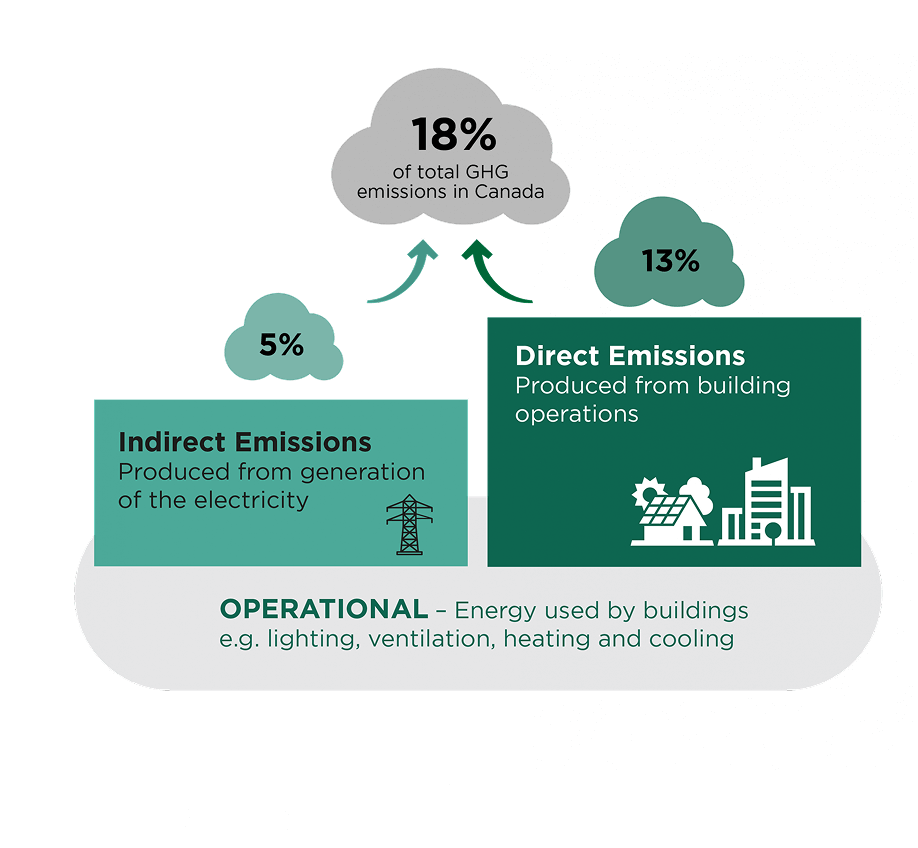
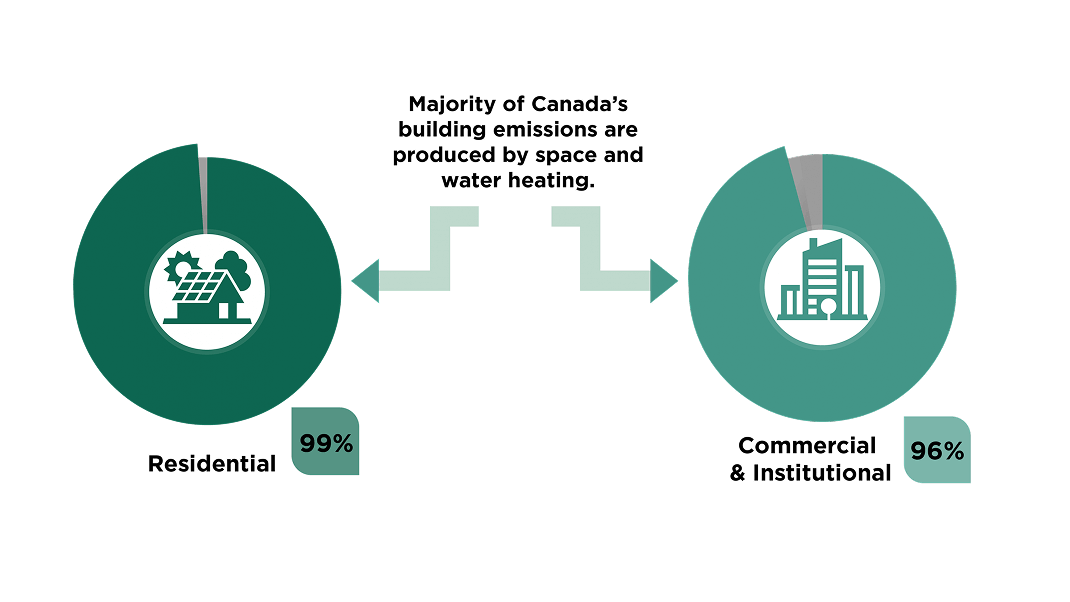
Buildings are responsible for 18% of Canada’s total greenhouse gas (GHG) emissions — with 13% coming from daily operations like heating and cooling, and 5% from electricity use. Most of these emissions come from older homes and buildings that haven’t been updated to modern energy
standards.
While 99% of new homes meet efficiency goals, only 4% of existing buildings have been upgraded. That’s a massive gap — and a huge opportunity.
At GLM Homes, we’re closing that gap through:
- Prefab panel systems designed to dramatically improve insulation and airtightness
- Fast and low-disruption retrofits for older homes and multi-unit buildings
- Energy-efficient modular homes built to net-zero-ready standards
- Help with applying for grants, rebates, and government funding
Together, we can reduce emissions,
lower your energy bills, and make your
home or project future-ready.
Useful Resources
Prefabricated Exterior Energy Guide
This document provides builders, panel fabricators, design consultants and building capture specialists with step-by-step guidance to carry out prefabricated (panelized) exterior retrofits, with a focus on improving the energy performance of existing housing. It covers pre-design,
building measurement (building capture), panel design, fabrication, and installation processes. The guide walks step-by-step, from project conception through to project completion, while discussing considerations at various stages. Others interested in this approach may include building owners, policy makers, building officials, suppliers, and energy advisors.